What is web scraping?
Also called web harvesting or data extraction
Web scraping is using software to read information from web pages automatically and turn it into structured records. It is the copying somebody does by hand from a directory, written down once and then run on a schedule, at a volume and consistency no person could sustain.
The plain version: the list already exists, it is just spread across four thousand pages with no download button. A scraper collects it, puts every record in the same shape, and does not add the same company twice when it runs again next month.
The list exists. It is just not in a list.
Every startup in one metro area. Every agency that mentions a particular technology. Every property listed in the last month. The information is public and visible on screens, and there is no download button.
So somebody opens a browser and starts copying. A scraper is that job written down once, so it runs on a schedule, at a volume no person could sustain, and produces structured records rather than a spreadsheet somebody typed.
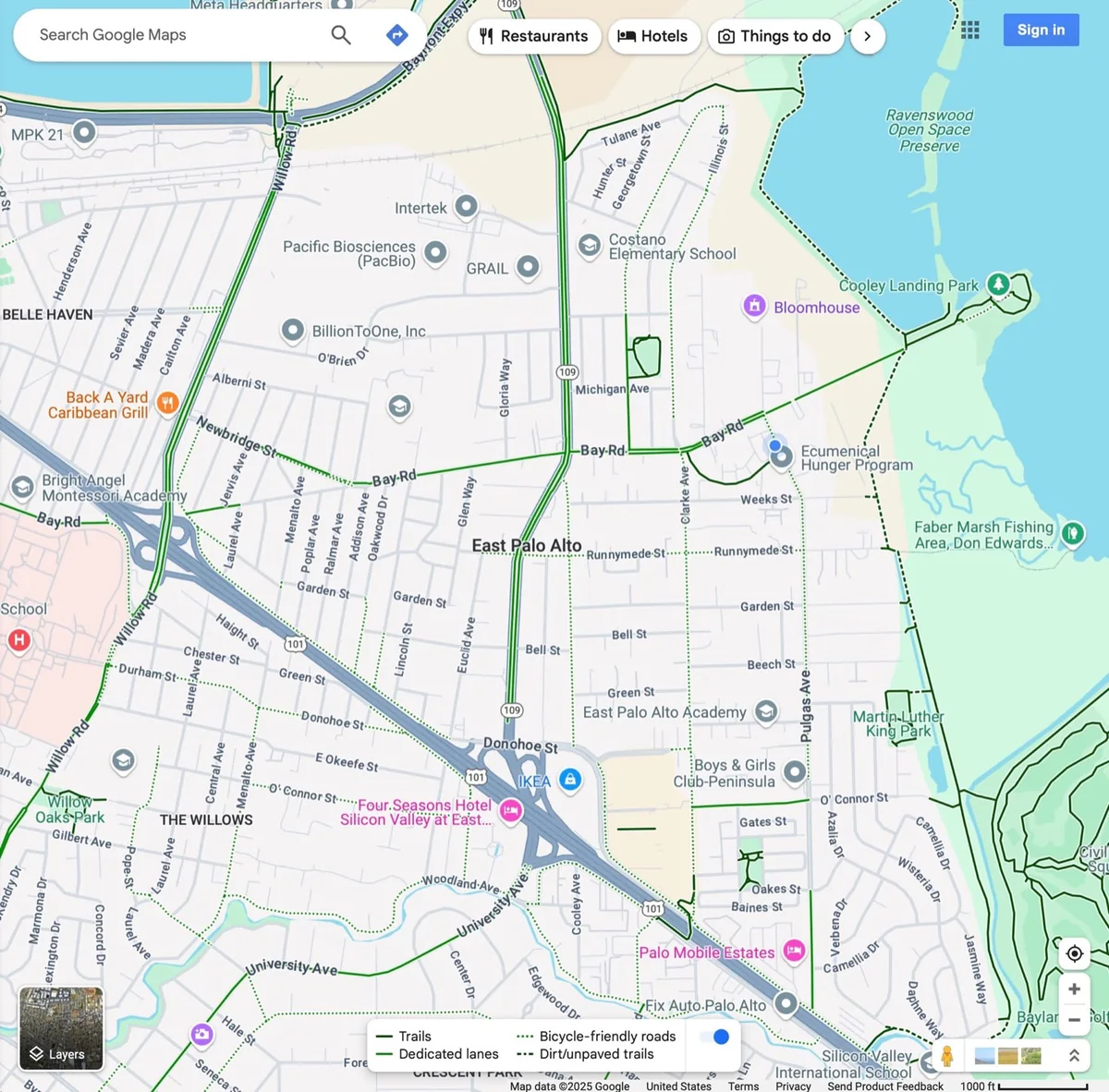
The map gives you the company. The founder does not come from the map, it is added afterwards by enrichment, which is a separate step and a separate cost. Eight here. The same thing runs across four thousand listings overnight. Every company and person in the table is invented. Map data ©2025 Google.
Underneath, that is five distinct jobs, and only the first one is fetching anything.
- Public pages, no login required
- Respecting robots.txt and rate limits
- Business information: name, address, category
- Data you could gather by hand, gathered faster
- Anything behind a login or paywall
- Working around blocks or rate limits deliberately
- Breaching terms you actively agreed to
- Personal data without a lawful basis to process it
This is orientation, not legal advice, and it varies by jurisdiction. The reliable instinct: if the workaround is the clever part, stop.
Fetching is the easy part.
- Sites change and scrapers break silently. The dangerous failure is not a crash, it is a scraper that keeps running and quietly returns empty fields for three weeks.
- Volume without de-duplication is worse than nothing. Re-run a collection without matching and you now have two of everything, and no way to tell which is current.
- Rate matters more than speed. Going slowly and never being blocked beats going fast and losing access, and it is also the more defensible posture.
- You need to know where a field came from. Without the source and date recorded, you cannot tell a fresh fact from an eighteen-month-old one, and you cannot resolve disagreements later.
Buy a tool, or build the pipeline.
| An off-the-shelf tool | A built pipeline | |
|---|---|---|
| Time to first data | Same day | Days to weeks |
| When the site changes | You wait for them, or it stays broken | You fix it |
| Fits an unusual source | Only if they support it | Yes, that is the point |
| Cost at volume | Per record, forever | Mostly fixed. Hosting is cheap |
| Choose it when | Standard sources, modest volume, one-off need | Ongoing collection, awkward sources, or it feeds a product |
Two collection engines in production.
Structured records, not a pile of pages
OutboundHero needed public business listings turned into a steady supply of leads, at a volume the tool receiving them was never designed to accept. BrokerStaffer needed around seventy fields per person across three sources, normalised into one schema before anything was written.
In both, the fetching was the smallest part. The engineering went into structuring, matching against what was already held so a re-run never duplicated anyone, and flushing in batches so a run that failed two thirds through kept two thirds of the work.
Words that turn up next to this one.
Still unclear?
What is web scraping?
Web scraping is using software to read information from web pages automatically and turn it into structured records. It is what you would get if the copying somebody does by hand from a directory were written down once, then run on a schedule at a volume no person could sustain.
Is web scraping legal?
Collecting information from public pages that require no login is generally lawful in most jurisdictions, particularly for business information you could gather by hand. It becomes legally risky when it involves circumventing access controls, breaching terms you actively agreed to, or processing personal data without a lawful basis. This is orientation rather than legal advice, and it varies by jurisdiction.
Why do scrapers break?
Because they read the structure of a page, and sites get redesigned. The dangerous failure is not the one that crashes loudly, it is the scraper that keeps running and quietly returns empty fields for three weeks before anybody notices.
Should we buy a scraping tool or build one?
Buy when the sources are standard, the volume is modest and the need is one-off. Build when collection is ongoing, the sources are awkward, or the output feeds a product, because at that point you need to be able to fix it yourself the day it breaks.
How do you stop collecting the same record twice?
By matching new records against what you already hold before writing, using a stable identifier rather than a name. Without that step every re-run doubles the data and you lose the ability to tell which copy is current.
Wondering what this would look like on your stack?
Thirty minutes. We will tell you whether it is worth building and what it would take. No deck.
OpsLabs builds custom operational systems for growing companies. This page is part of a plain-English glossary of the terms that appear in our proposals and on this site.